
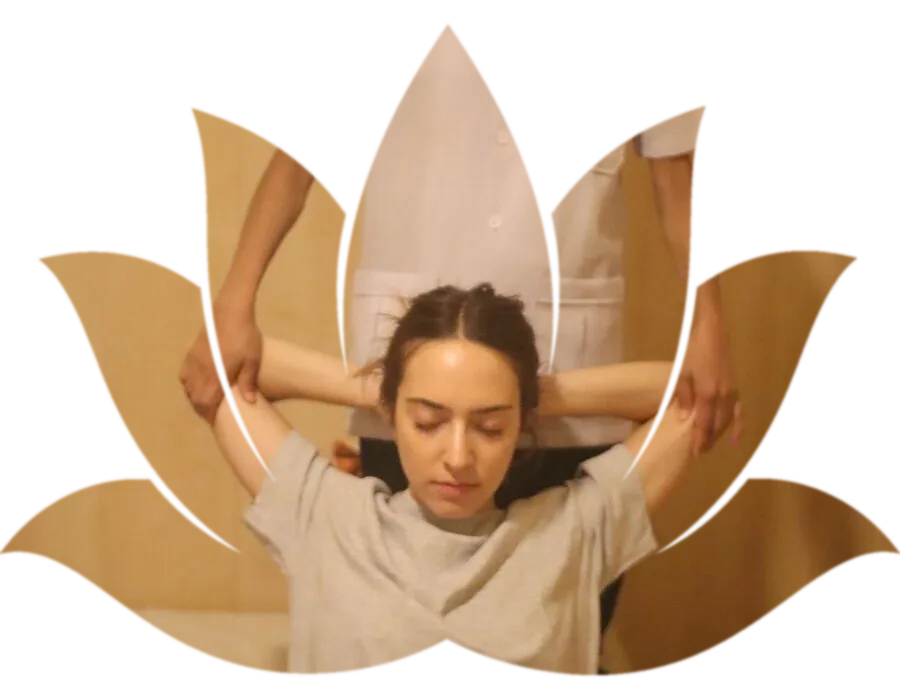
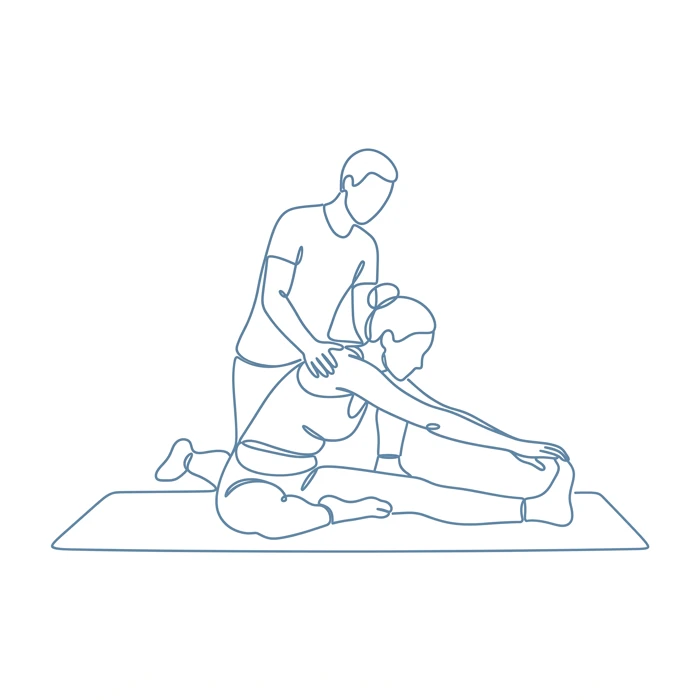
What is traditional Thai massage?
It comes from a tradition more than two thousand years old, combining pressure from the palms, thumbs, forearms and sometimes the feet, with stretches similar to yoga but guided by the therapist: you don't do any of the work, you just let go. It follows the body's energy lines, known as sen, which is why it's sometimes described as "passive yoga."
What is the session like?
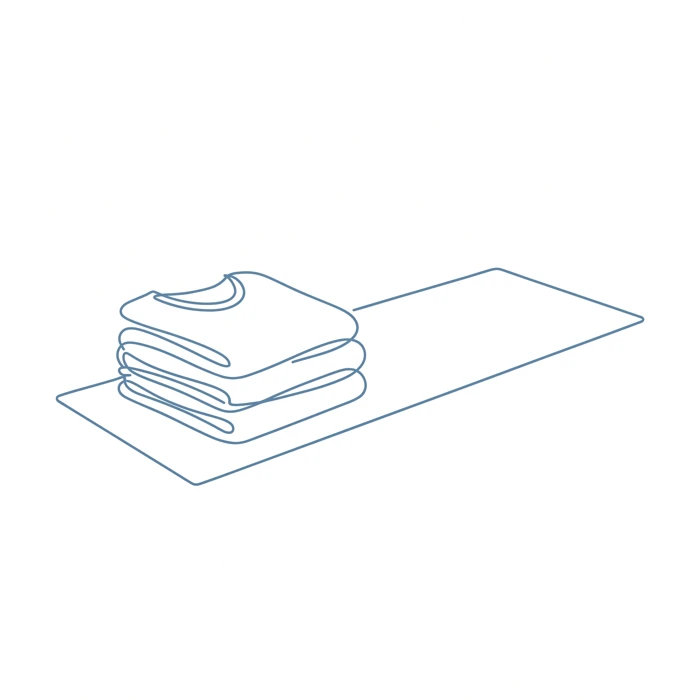
You come in comfortable, loose clothing (we'll lend you some if you didn't bring any); we don't use oil, so you can stay in the clothes you arrived in. We work on a firm mat on the floor or on a wide table, depending on the room. The session combines stretches of deep pressure with gentle stretching of the legs, hips, back and shoulders: you'll feel your body opening up little by little.
Who is traditional Thai massage for?
For anyone looking for something more active than a relaxing oil massage: people who train and want more mobility, travellers with a stiff body after hours of flying or a long bus ride, or anyone who wants to leave feeling longer and lighter, not just relaxed. If what you need is to work one specific tight area, deep tissue might suit you better; our 1-minute test can help you decide.
Why Mantra
We're a small studio in the Eixample, by the Sagrada Família, with 4.9 stars and over 430 reviews on Google. Open every day 11:00 to 22:00. And if you're torn between traditional Thai and another style, our 1-minute online test clears it up before you book.
Do I need to prepare anything before coming?
Arrive five or ten minutes early to change at your own pace and let us know if there's any area you'd rather we avoid or any recent injury. Bring comfortable, loose clothing if you have it (tracksuit bottoms, a loose T-shirt); if not, we'll lend you some at the studio. There's no need to take off earrings or your watch, though bulky pieces are more comfortable in the locker. Avoid eating right before, especially since there are wide torso stretches: better on a light stomach. Afterwards, drink water and give yourself a moment before picking up your bag again, so your body can settle into the work done.
Who is it for, and who is it not for?
It suits anyone looking for mobility, stretching and an extra boost of energy, not just relaxation. It's not the best fit if you'd rather have a more passive session, lying face down without moving: for that, oil massage or deep tissue work better. If you have a recent injury, a hernia, advanced osteoporosis or any condition that limits stretching, tell us before booking, and if you're unsure, check with your doctor or physiotherapist first: we work on wellness, not rehabilitation or injury treatment. Traditional Thai with active stretching isn't recommended during pregnancy; for that stage we have a specific pregnancy massage.
What's the difference from oil massage and deep tissue?
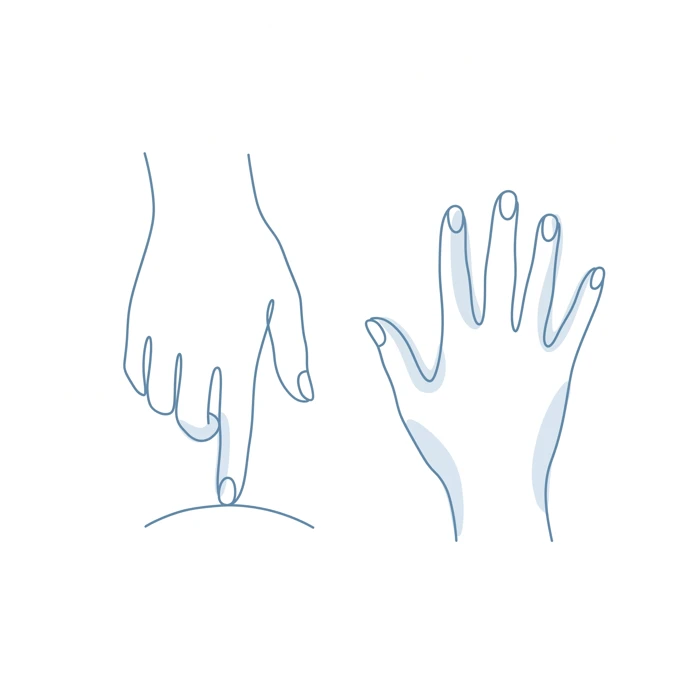
Traditional Thai is done clothed, with no oil, and combines pressure with active stretching: you're after mobility and energy. Oil massage is done on the skin, with long, gliding strokes, aiming mainly for passive relaxation, with no stretching. Deep tissue is also done with no oil, but with no stretching and more localised pressure on one specific, tight area. If you're torn between the three, think about what you want that day: to move and activate the body (Thai), to fully disconnect (oil), or to release one specific area (deep tissue).
How often should I come back?
There's no fixed rule: some people come once a month as maintenance, others only when they need it, for example after a heavy training block or long trips. If you train regularly, every two or three weeks tends to show. We're a short walk from the Sagrada Família, so it's easy to combine your visit with something else in the area; open every day 11:00 to 22:00, so there's usually room that same week.
Frequently asked questions
Book online in a minute and choose the day and time yourself, or ask us first on WhatsApp at +34 612 50 10 00.